

You Are Your Habits?
The power of identity-based habits

Day 6 Progress
Day 6
Habit 6: Crunches
Health: Body fat down 0.3% from Day 1
Habits adopted so far: 8-hour eating window, green tea, pull ups, meditation, veggies first
One fascinating habit concept, which I learned from James Clear’s Atomic Habits, is identity-based habits. First you decide what type of person you want to be, then you act like that person in small ways.
“Every action is a vote for the type of person you wish to become.”
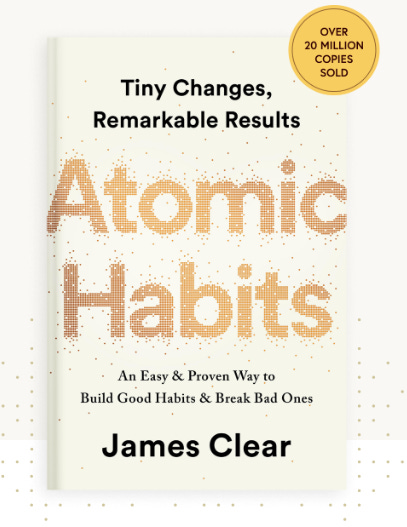
To use an example from this experience:
Intermittent fasting was in many ways the hardest habit I adopted. Most mornings, I was hungry before 10 a.m. and watching the clock until my eating window opened. Most evenings, I was tempted by all the alluring calories I couldn’t have. Every time I tried intermittent fasting in the past, I did just that – I tried. I would look at those sexy calories and say, “I shouldn’t. I’m trying to fast.” That wasn’t identifying as someone who was going to succeed at fasting. Those were the words of someone who identified as a late-night snacker and had already let the prospect of failure get its foot in the door. And it wasn’t long before those insistent calories broke down that flimsy defense.
On the other hand, when I identified as someone who didn’t eat in the evening, there was no battle. There was no debate. There was no seduction by cake. Every day that I succeeded with my intermittent fasting was another vote for that identity. This 30-day habit challenge helped me commit to that identity, and by the end, I would have 30 votes in its favor. This was important, because while intermittent fasting was the hardest habit, it eventually became the easiest to stick to, and avoiding the temptations of late-night calories perhaps had the biggest impact.
Habit 6: Crunches
On Day 6, I added crunches to my routine. Any number would do, but I picked 200 to give myself something to shoot for. I knew crunches weren’t going to flatten my pot belly, which had been curated over many years, but a strong core could help with all sorts of things, including staving off the back problems that humans signed up for when they started walking upright (though dachshunds also have back problems, despite – or because of – being magnificently horizontal).

Another reason I chose crunches was that I could stack it with my meditation habit, meaning that getting on the floor for my meditation would act as my cue for crunches. This was another idea I borrowed from Atomic Habits (and in turn, B.J. Fogg’s Tiny Habits).
One of the best ways to build a new habit is to identify a current habit you already do each day and then stack your new behavior on top. This is called habit stacking.
Connecting a new habit to an old one is one way of helping it stick. I couldn’t call meditation an old habit since I’d been doing it all of…two days. But I needed all the help I could get.
Visit James Clear’s Atomic Habits page for more info and resources.